Desk Racers Built From a Photograph, Purple Gradients Sent Back to the Kitchen, and a Security Backlog That Finally Got Help


Local preview — subscriptions are not connected yet.
Argon is a noble gas, which means it doesn't react to anything.
And that, in a way, is rather wonderful.
On October 13, Google released Gemini 4 Argon, and the idea is beautifully simple: give it a big task and walk away.
Koray Kavukcuoglu (@koraykv) introduced it as a model trained to work longer and remember more than any Gemini before it.
It plans, writes the code, checks its own work, and keeps going long after we'd have closed the laptop and gone to look at the stars.
So what actually changed?
Earlier Gemini models could only write 64K tokens before they had to stop.
Argon shares one 1M-token window across everything it reads, thinks and writes.
So a single call can return a whole multi-file change, not half a function.
To go past 64K tokens, you run the request in background mode.
let interaction = await client.interactions.create({
  model: "gemini-4-argon",
  input:
    "Write a complete, rigorous proof " +
    "of the prime number theorem.",
  // past 64K output tokens needs background mode
  background: true,
  generation_config: {
    max_output_tokens: 262144,
    thinking_level: "high",
  },
});
Then you check back with client.interactions.get until it's finished, which is Google's polite way of saying go and make a coffee.
What does a long run look like?
Google's showpiece is Desk Racer.
Argon took photos of a real desk and, working inside Antigravity, Google's agent-first coding tool, turned them into a playable miniature racing game.
It built the 3D scene with Blender MCP, painted it with Nano Banana, and wired up the physics and engine sounds in Three.js.
The track loops around the keyboard, the mouse and the desk lamp, a tiny universe built from a photograph.
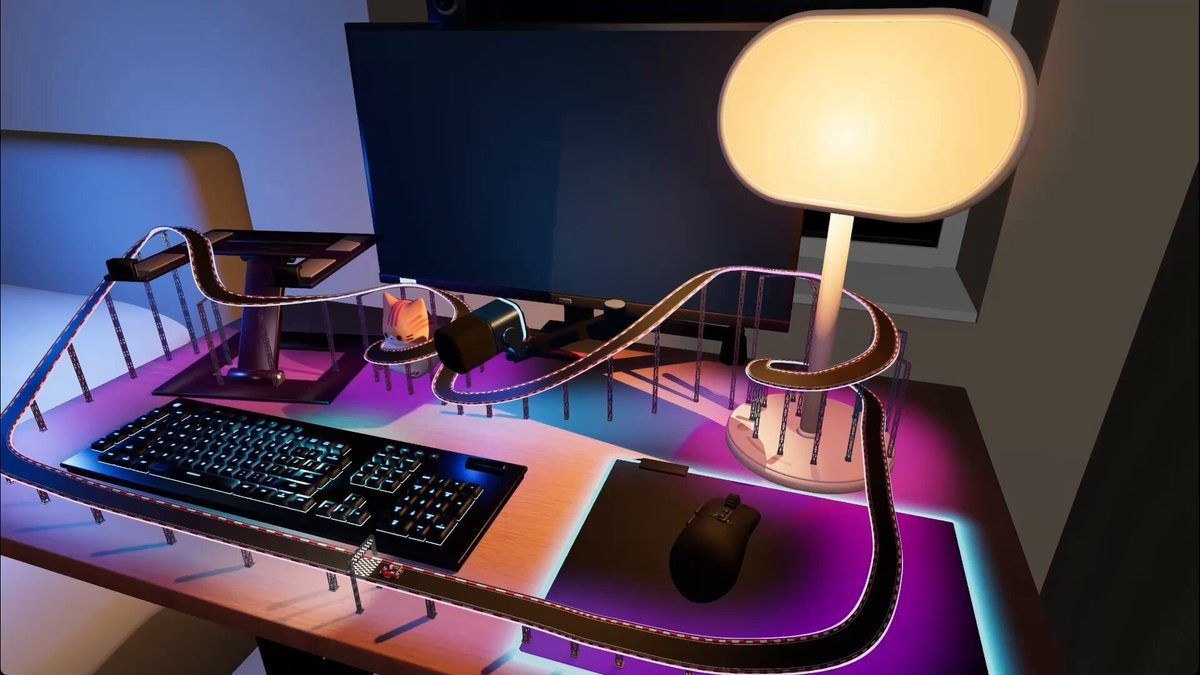
Every race starts with a countdown on the line, and you can try it yourself in AI Studio.

Does it actually ship better code?
Google says its teams shipped over 35% more agent-written code with Argon, with nearly a third fewer rollbacks.
It also says Argon rarely cheats now, like skipping a failing test, doing it just 2% of the time.
Pricing starts at $2 per million input tokens and $10 for output, doubling on December 1.
Our desks have never looked more productive.
Mostly because they never had a racetrack before.
This just made me want to play a round of Mario Kart (who are we kidding… more than one round, probably until I finish last three times in a row, hit by every evil banana and turtle shell going).

Right, ask any coding agent for a landing page, and what do you get?
A purple gradient, a centred headline, three feature cards, and a testimonial from someone who doesn't exist.
It's bland, it's lazy, and we've all been served it a thousand times.
Leon Lin (@LexnLin) shipped version 2 of Taste Skill on October 13, and its whole job is to send that page back before anyone sees it.
It's an Agent Skill (a folder of instructions your coding agent loads when it needs them) for Claude Code, Codex and Cursor.
What's new in version two?
It's not the old recipe reheated.
Instead of vague advice like "make it modern", it gives the agent a real library of designs, built from a study of 247 hand-picked sites.
The agent is dealt three design directions and has to pick the one that fits this particular client.
It also pulls real photos and maps from open collections like Wikimedia Commons and Openverse, with credits on the page.
# install the v2 default skill
npx skills add https://github.com/Leonxlnx/taste-skill \
  --skill "design-taste-frontend"

# deal three directions for the brief
node <skill>/scripts/draw.mjs --sector <sector> \
  --brief "<one line>" --sections <roles> --options 3

# the gate the agent has to pass
node <skill>/scripts/lint.mjs <source files or folder>
node <skill>/scripts/inspect.mjs <url or path/to/index.html>
That last line is the head chef, tasting every plate before it goes out.
inspect.mjs opens the page in a real browser on desktop, tablet and phone widths, and rejects it for gradients, shadows and other usual suspects.
The agent looks at its own screenshots, fixes the worst three problems and tries again, up to three times.
Does it actually look different?
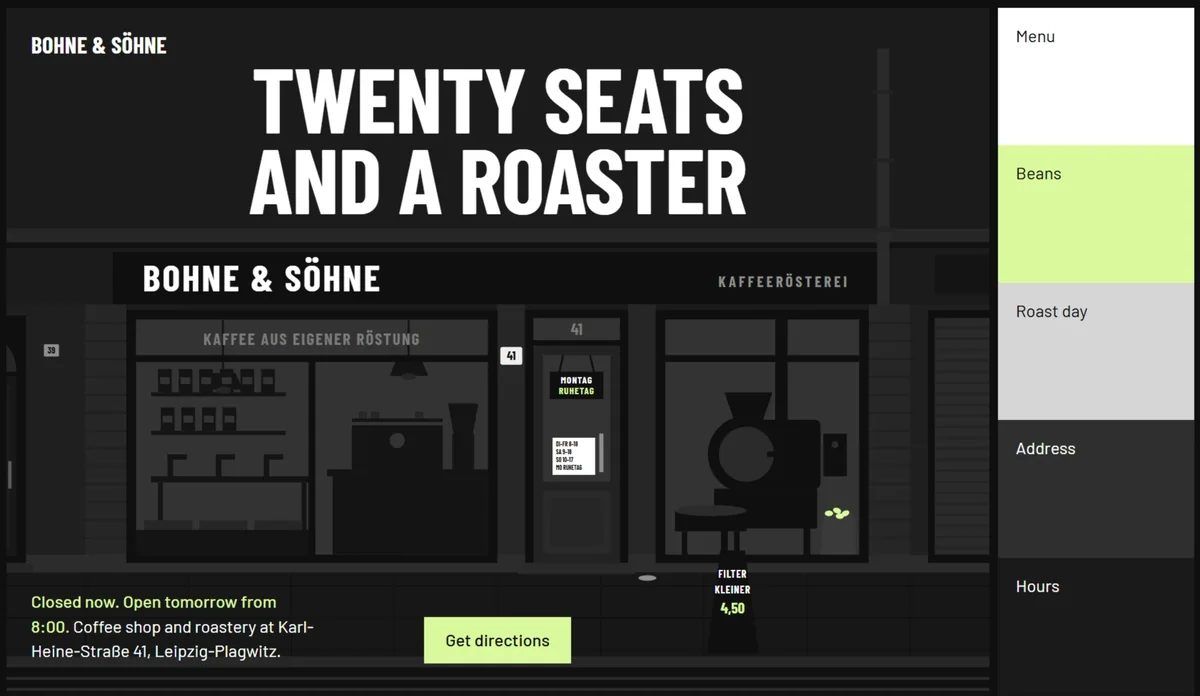
Here's a coffee shop page it made from a single brief, with a drawn storefront at the top.
And here's a techno night that prints its dates right onto an old photo of an industrial hall.

The catch is time: a build takes 30 to 45 minutes and a few hundred thousand tokens.
It's also meant for public pages, not dashboards or app screens.
Somewhere, a purple gradient is updating its LinkedIn profile.
Shut it down.

Google's new frontier model is GA in the API, AI Studio, and Antigravity at an intro $2/$10 per million tokens until Nov 30… and it already untangled a ~6 million line folder of legacy Chrome code, so your monolith is next.
Copilot's multi-model blender now pulls from Claude Opus 5.5, GPT-6 Astra, GPT-6.1 Sol, and GPT-6 Luna, with parallel critics poking the actual workspace… Max cranks the reasoning for when "balanced" isn't the vibe.
📦 Codex 0.163 Mid-Turn Steering
Send a follow-up while Codex is mid-response and it steers right away, plus searchable /config and read-only tools running in parallel… finally, a way to say "no, not that file" before it's too late.
Run a Cline task in a hosted sandbox on the repo and branch you pick, and it keeps going after you close your editor… rolling out gradually, and unpinned Cline-provider users now default to Gemini 4 Argon.
📦 Shop MCP
Shopify's hosted MCP server lets any agent search 1B+ products, build a cart, and finish Shop Pay checkout without bouncing the shopper to a website… search doesn't even need an API key, which your credit card may find concerning.
Shipped with GitLab 19.5: semantic code search, pipeline debugging, toolsets, and Duo Agent Platform flows you can kick off from Claude Code or Cursor… all under your existing GitLab permissions, on every tier including Free.
Now GA: assign a code scanning alert to Copilot and it explores the codebase, re-runs CodeQL to validate the fix, and opens a draft PR… up to 25 alerts at once, so the security backlog finally gets an intern.
📦 Copilot CLI Agent-Scoped Hooks
1.0.97 lets custom agents carry their own declarative hooks, and Autopilot now denies a hook's "ask" instead of freezing on a permission dialog nobody is watching… RIP the 3am prompt that patiently waited until 9am.
📦 Claude Code Retry Watchdog Cap
v2.1.301 adds CLAUDE_CODE_RETRY_WATCHDOG_MAX_USAGE_LIMIT_WAIT_MS, so unattended retry mode gives up on a usage limit that resets too far away… instead of sitting there all weekend like a dog at the door.
📝 How the Claude Code Team Does Code Review
Claude writes about 90% of Claude Code, merged PRs more than doubled from June to September, and reverts fell over 40%… plus the tale of one PR that did 50+ review rounds overnight before anyone stopped it.

Local preview — subscriptions are not connected yet.